
The evidence behind every compound.
Plain-English research guides for every compound we supply, with sources linked to PubMed, plus the lab standards and handling guides that keep results reliable.
Summaries of published research. Never protocols, and never dosing guidance.
How this library is written- 31Guides and reviews
- 17Compound guides
- PubMedLinked sources
- 20Published lab reports
- Plain-English summaries
- PubMed-linked sources
- Independent COAs
- Research use only
The most-read guides.
New to research peptides? Start with the basics and how to read a lab report, then the compounds researchers ask about most.
What Is a Research Peptide? A Beginner's Guide
What peptides are, how they are made and studied, what research use only means, and how to judge a supplier.
Read the guideHow to Read a Certificate of Analysis (COA)
Every field of a peptide COA explained: HPLC purity, mass-spec identity, net content and 8 red flags of a fake.
Read the guide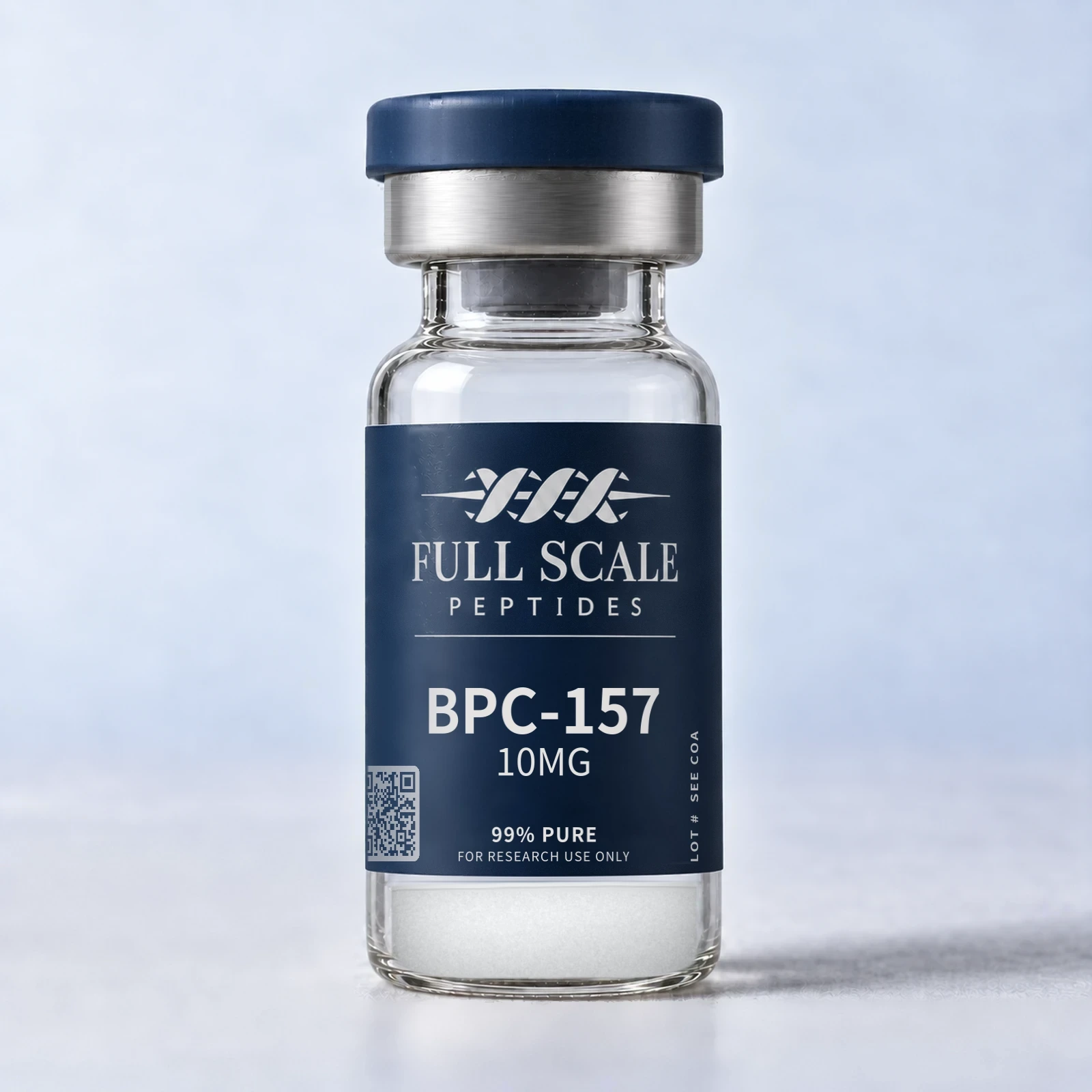
BPC-157: A Research Guide
The 15-amino-acid gastric peptide studied in tissue-repair, blood-vessel and gut models.
Read the guide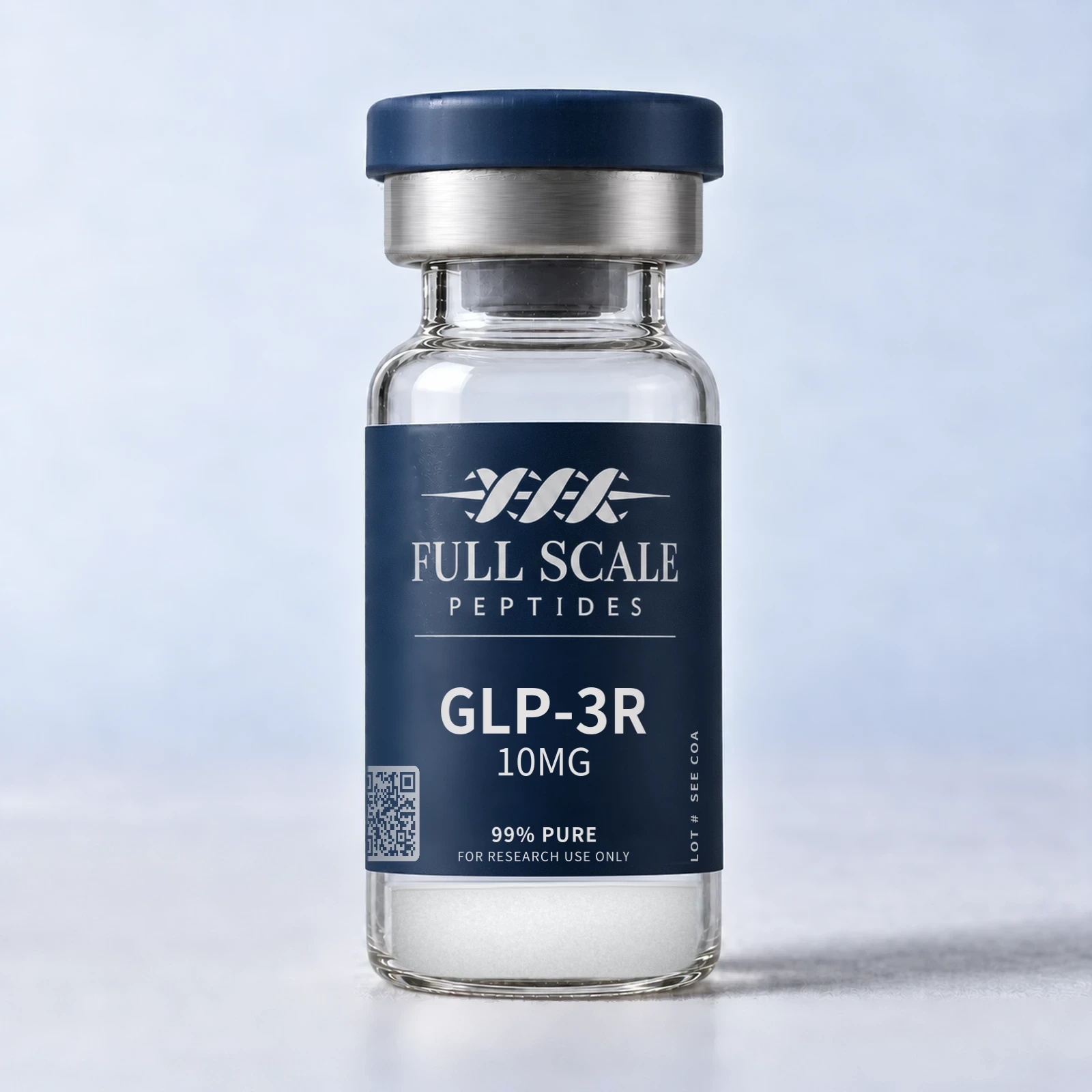
GLP-3R Triple Agonist: A Research Guide
One peptide acting on the GLP-1, GIP and glucagon receptors, and what phase 2 research found.
Read the guide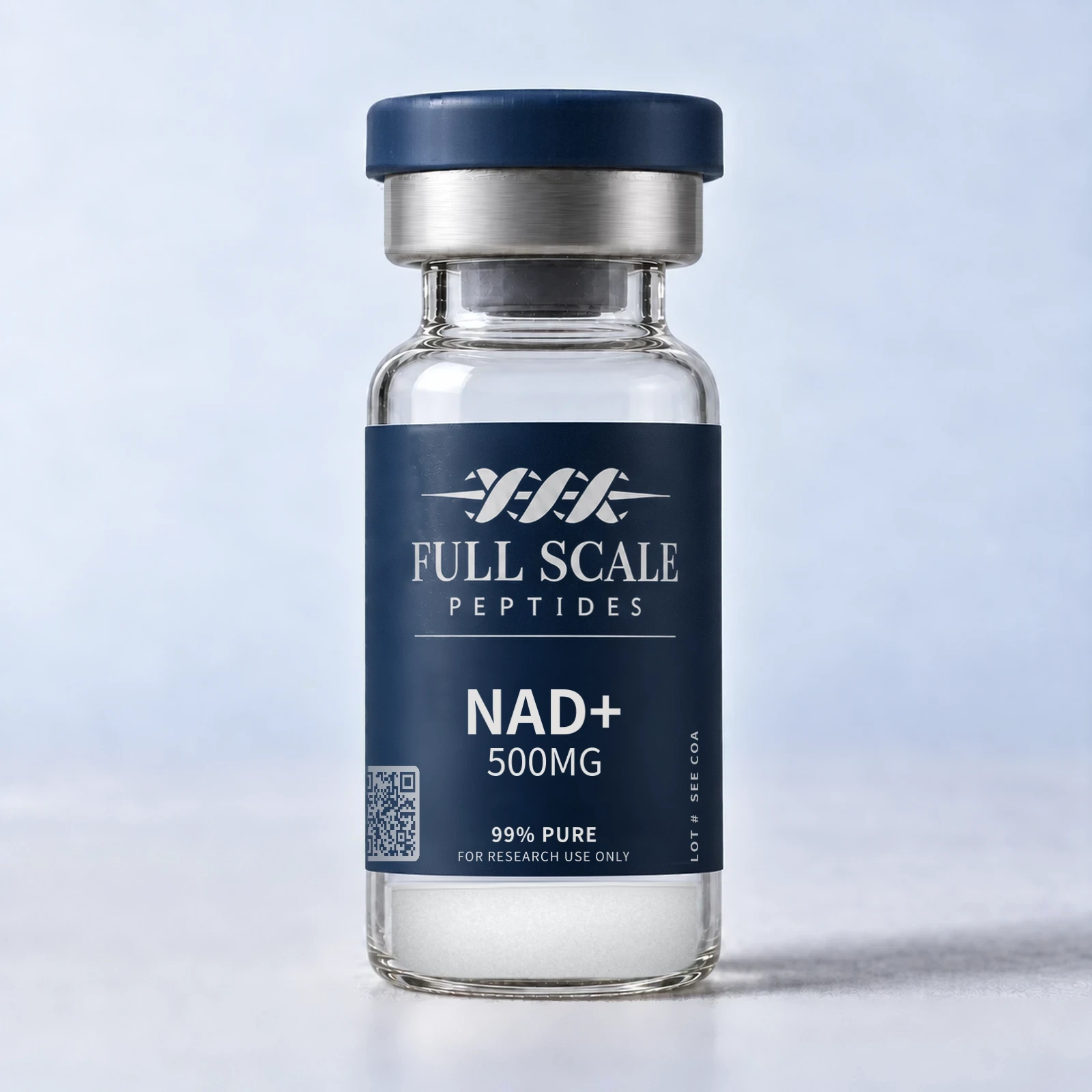
NAD+: A Research Guide
The coenzyme behind cellular energy, and why its decline with age drives so much research.
Read the guide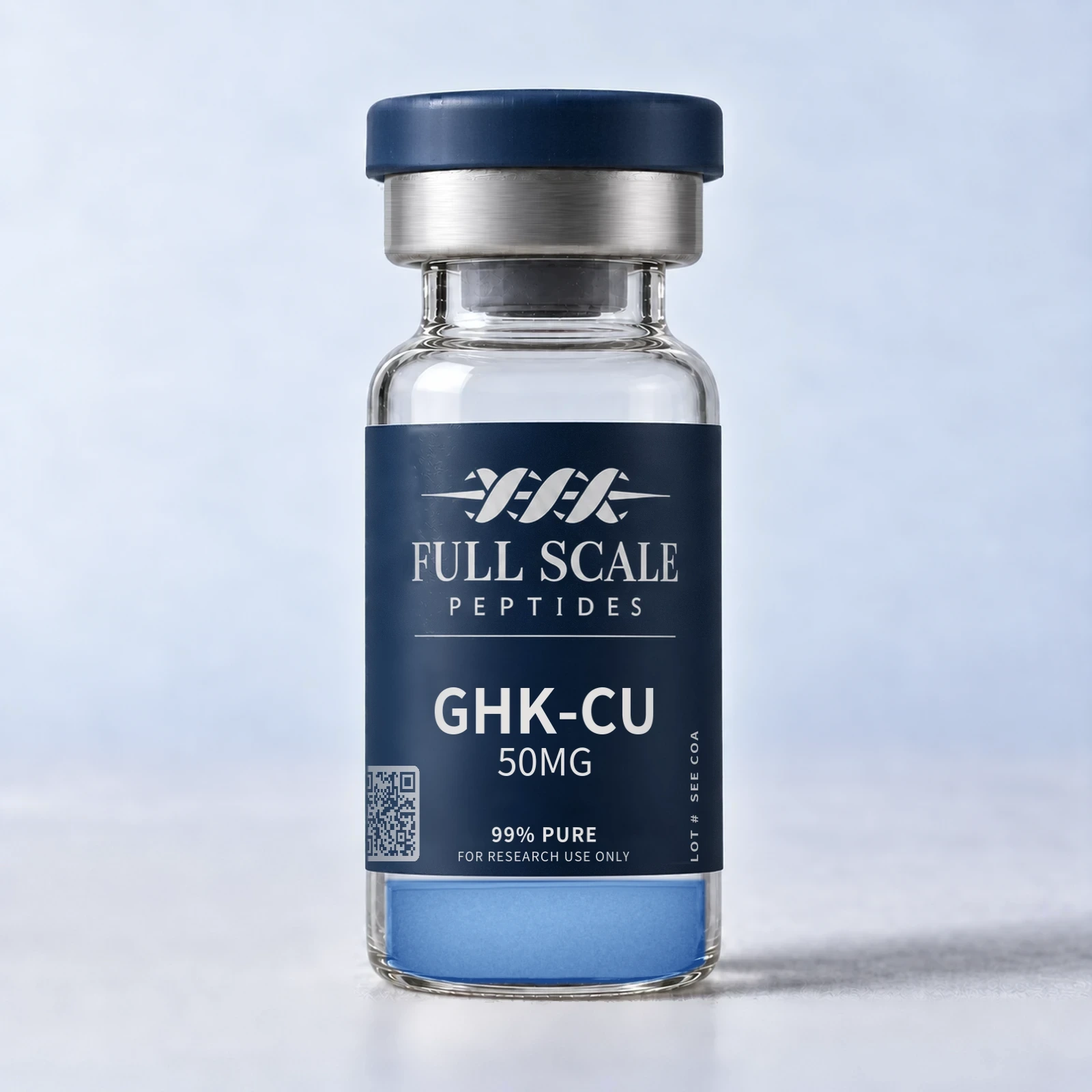
GHK-Cu (Copper Peptide): A Research Guide
The copper-binding tripeptide studied in collagen, wound remodeling and gene expression.
Read the guideBrowse by topic.
Every guide sits in one of six collections. Choose one to jump straight to it.
One search away.
Search by compound, topic or research area, or switch to the index view for a compact list.
What Is a Research Peptide? A Beginner's Guide
What peptides are, how they are made and studied, what research use only means, and how to judge a supplier.
ReadHow to Read a Certificate of Analysis (COA)
Every field of a peptide COA explained: HPLC purity, mass-spec identity, net content and 8 red flags of a fake.
ReadBPC-157: A Research Guide
The 15-amino-acid gastric peptide studied in tissue-repair, blood-vessel and gut models.
ReadGLP-3R Triple Agonist: A Research Guide
One peptide acting on the GLP-1, GIP and glucagon receptors, and what phase 2 research found.
Read
GLP-2 TRZ Dual Agonist: A Research Guide
How a single peptide acts on both incretin receptors, and how it differs from GLP-3R.
ReadNAD+: A Research Guide
The coenzyme behind cellular energy, and why its decline with age drives so much research.
Read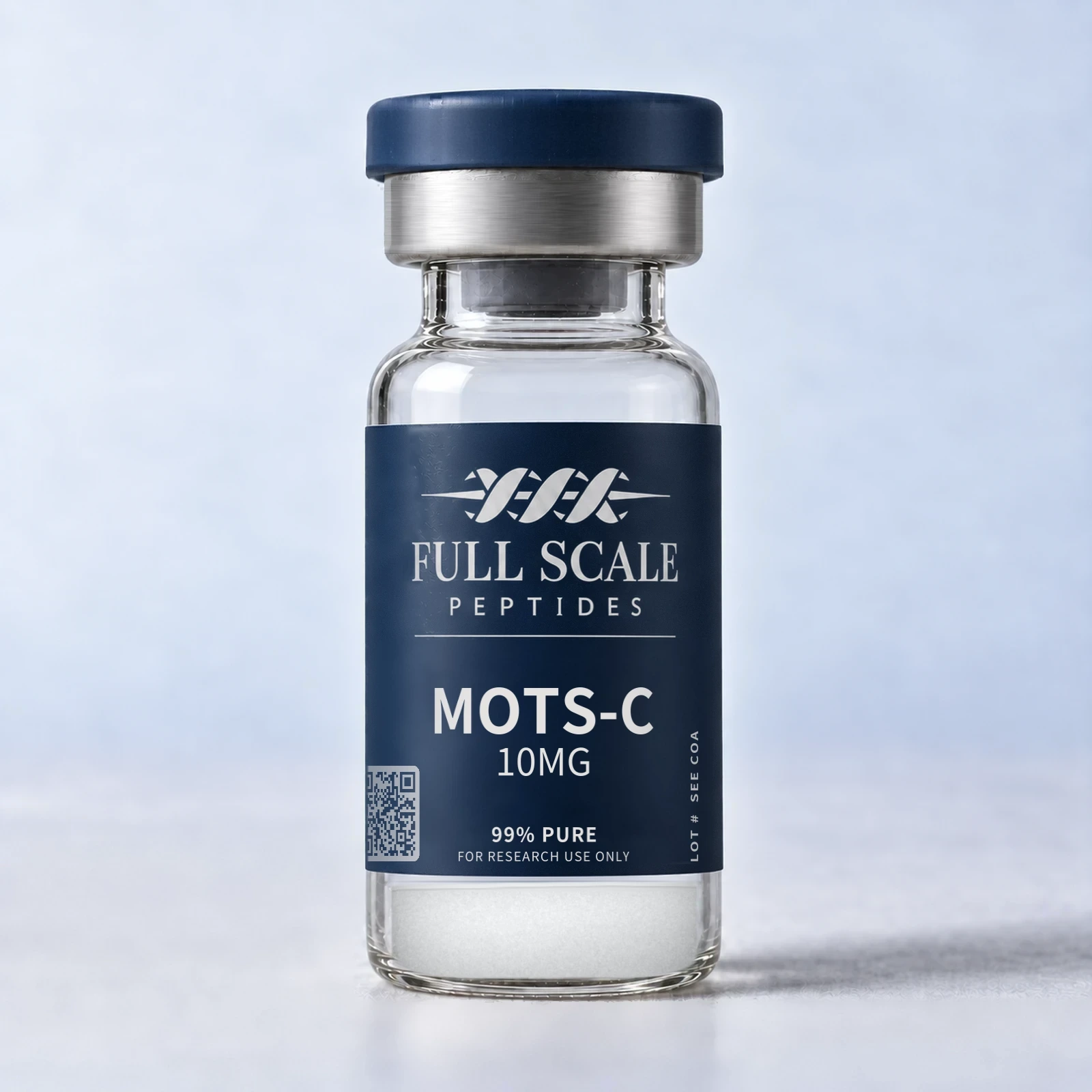
MOTS-c: A Research Guide
A 16-amino-acid peptide encoded by mitochondrial DNA, studied in metabolism and muscle.
ReadGHK-Cu (Copper Peptide): A Research Guide
The copper-binding tripeptide studied in collagen, wound remodeling and gene expression.
Read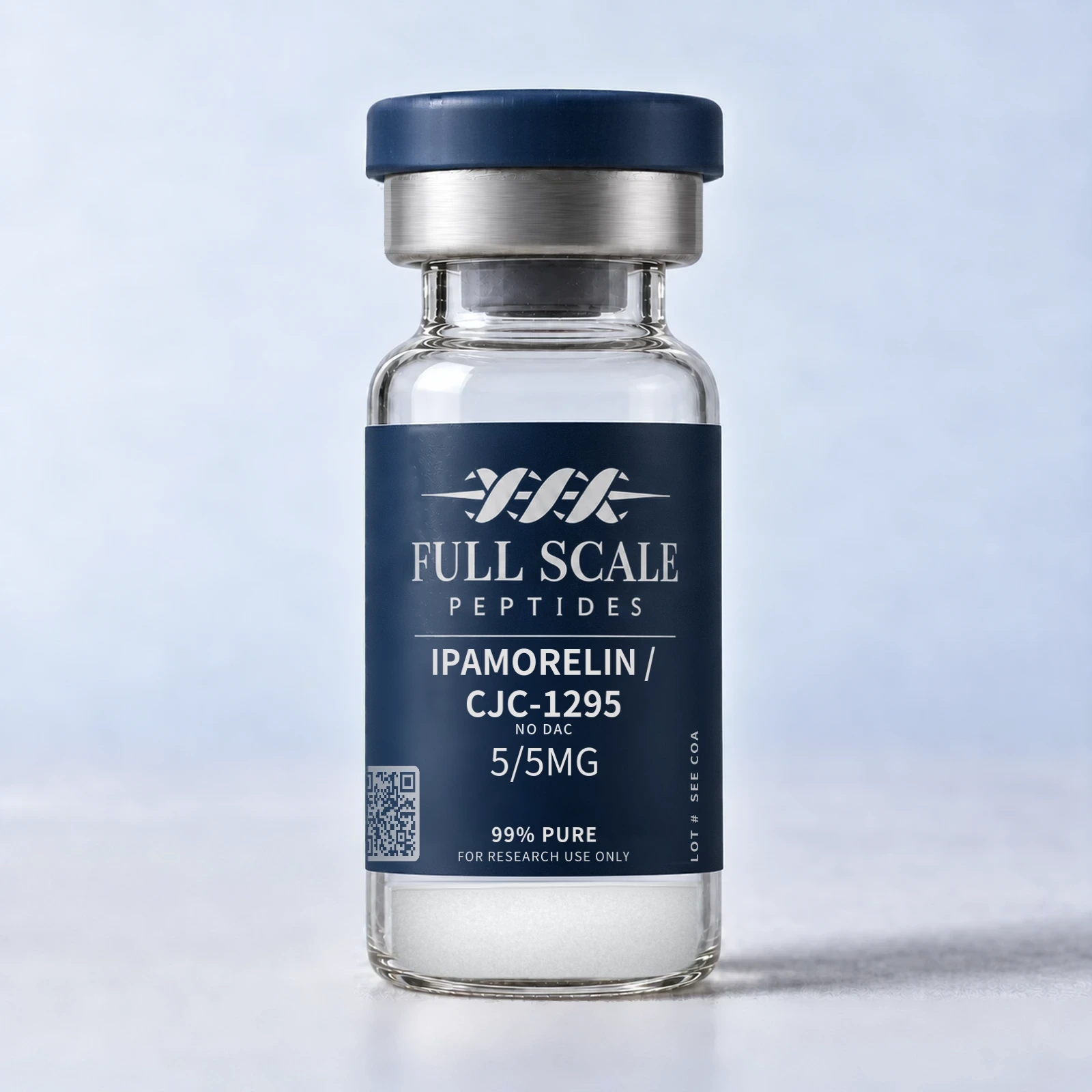
CJC-1295 (No DAC) & Ipamorelin: A Research Guide
Two peptides acting on two receptors to trigger growth-hormone pulses, and DAC vs No DAC.
Read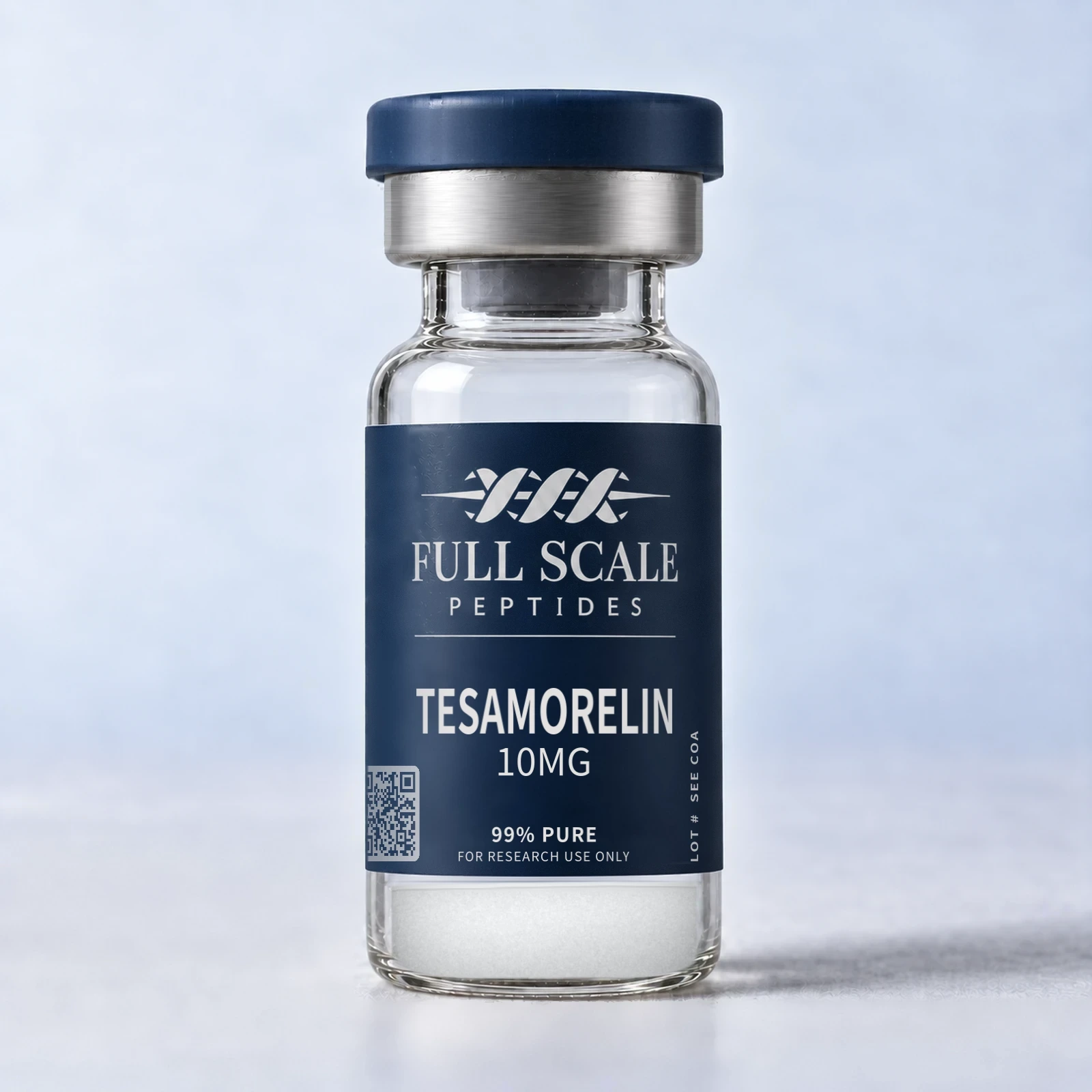
Tesamorelin: A Research Guide
A stabilized, full-length GHRH with some of the strongest human data in its class.
Read
Kisspeptin-10: A Research Guide
The master switch above GnRH, and the 2003 discovery that linked it to puberty.
Read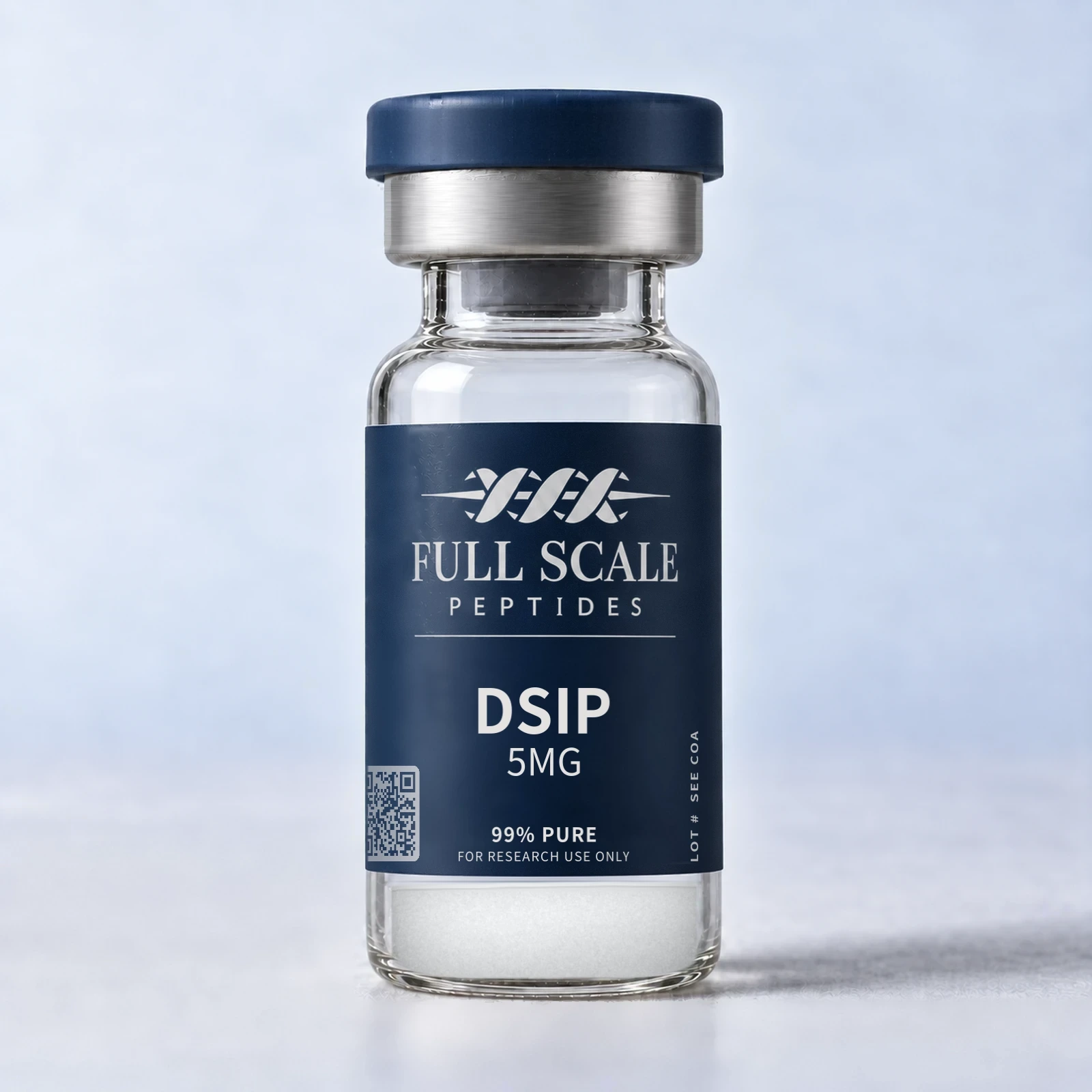
DSIP (Delta Sleep-Inducing Peptide): A Research Guide
A nine-amino-acid peptide first isolated in 1977 that remains one of the field's open puzzles.
Read
Selank: A Research Guide
Built from the immune peptide tuftsin and studied for GABA signaling, BDNF and anxiety models.
Read
Semax: A Research Guide
An ACTH-derived peptide studied for BDNF, cognition and stroke-model neuroprotection.
Read
VIP (Vasoactive Intestinal Peptide): A Research Guide
A neuropeptide linking the nervous and immune systems, the body clock and the lungs.
Read
KPV Peptide: A Research Guide
The three-amino-acid tail of α-MSH, studied for anti-inflammatory effects in gut models.
Read
SNAP-8 (Acetyl Octapeptide-3): A Research Guide
An elongated Argireline that mimics SNAP-25, studied in expression-line research.
Read
Melanotan II: A Research Guide
A cyclic α-MSH analog that activates four melanocortin receptors, with honest safety notes.
ReadTB-500: Cell Migration and Tissue Repair Research
How the actin-binding region of thymosin beta-4 is studied in cell-migration research.
Read
What Is the Wolverine Blend? (BPC-157 & TB-500)
Why BPC-157 and TB-500 are studied together, and what is in the blend.
Read
The GLOW Blend: BPC-157, GHK-Cu and TB-500
Three repair-research peptides in one vial, and how each contributes.
ReadBPC-157 vs TB-500: Comparing Two Repair Peptides
Side by side: structure, proposed mechanisms and the research behind each.
ReadThe Importance of Third-Party COA Testing
Why independent testing matters, and what separates a real COA from a marketing sheet.
ReadUnderstanding Peptide Purity: Why 99%+ Matters
What a purity percentage actually measures, and why impurities skew results.
ReadThe Evolution of Peptide Synthesis and Purity Standards
How solid-phase synthesis and HPLC testing shaped modern research peptides.
ReadPeptide Storage and Handling: Best Practices
Temperature, light, moisture and freeze–thaw: keeping lyophilized peptides stable.
ReadBacteriostatic Water: Reconstitution Techniques
Step-by-step reconstitution practice for lyophilized research peptides.
ReadBacteriostatic Water vs Sterile Water
Benzyl alcohol, multi-use vials and the practical difference between the two.
ReadGHK-Cu Stability and Reconstitution: A Lab Guide
How the copper complex behaves in solution, and how to keep it stable.
ReadFinding a Reliable Peptide Sciences Alternative in 2026
What to look for in a supplier after Peptide Sciences closed.
ReadWhat Happened to the Research Peptide Vendors That Closed?
The 2025–2026 shake-up in research peptide suppliers, and what it means for buyers.
ReadEvery batch has a published COA.
HPLC purity and LC-MS identity, tested by an independent lab and posted before you buy, not sent on request.
All products and resources are intended for laboratory research use only. Not for human or veterinary use, not for use in diagnostic procedures, and not evaluated by the U.S. Food and Drug Administration. Guides summarize published literature and are not protocols or dosing guidance.